Piqua Sewer Pros
CIPP Pipe Lining in Piqua, Ohio
CIPP pipe lining in Piqua cures a resin liner inside your existing sewer pipe. No-dig fix for old clay and cast iron. Free estimates.
- 15+ Years local experience
- 500+ Projects completed
- Licensed & Insured
Serving Piqua and nearby communities.
Will lining actually hold up in a pipe this old? Fair question in a city where clay laterals have been underground since before most current homeowners were born.
CIPP stands for cured-in-place pipe. A resin-saturated liner is pulled or inverted into the existing pipe, then cured until it hardens into a new pipe wall inside the old one. The host pipe doesn't need to be structurally perfect for this to work, just intact enough to support the liner while it sets. That's exactly the condition of most pre-war clay sections still running under Piqua yards.
What's included
What's included with CIPP Pipe Lining
Typically included: Optional: Customer prep:
- Camera inspection to confirm candidacy and locate problem joints
- Pipe cleaning before liner insertion
- Liner installation and full cure cycle
- Post-cure camera pass to verify a smooth, bonded liner
- Reconnection cutting for lateral tie-ins after the liner is set
- Permit filing if the lined section connects to the municipal main
- Keep the cleanout area clear and accessible
- Limit water use through drains during the cure window
Want a clearer scope?
Get a Free EstimateHow it works
How our CIPP Pipe Lining process works
 Step 1
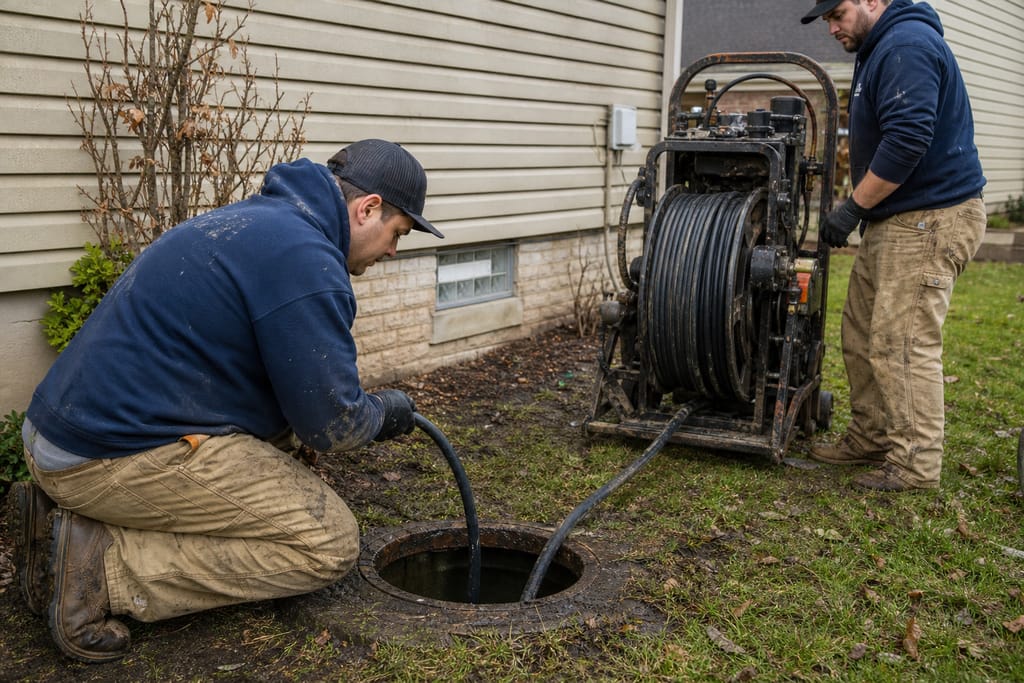
Pipe Cleaning
The existing pipe is thoroughly cleaned to remove debris and prepare the surface for lining.
 Step 2
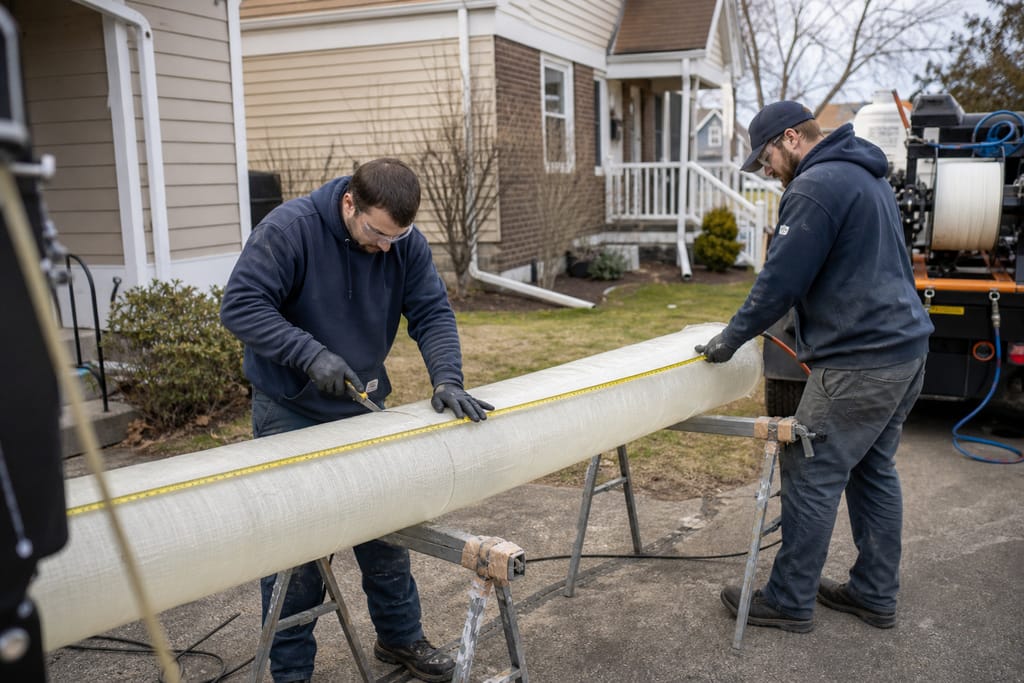
Liner Measurement
Precise measurements ensure the liner fits the exact length and diameter of the pipe.
 Step 3
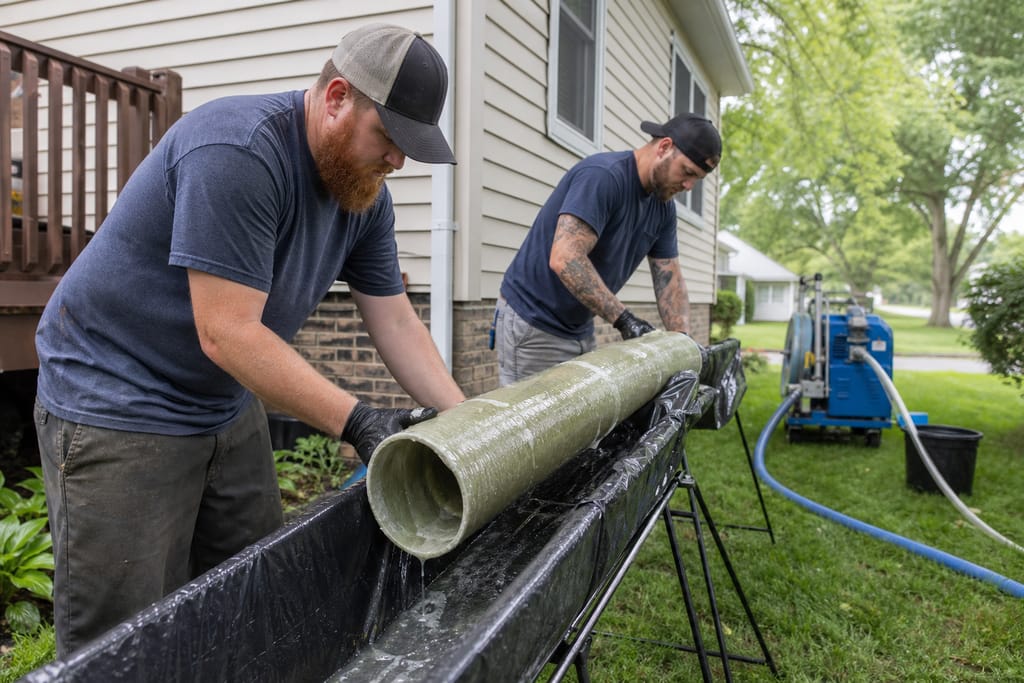
Resin Saturation
The liner is saturated with resin to prepare it for insertion and curing.
 Step 4
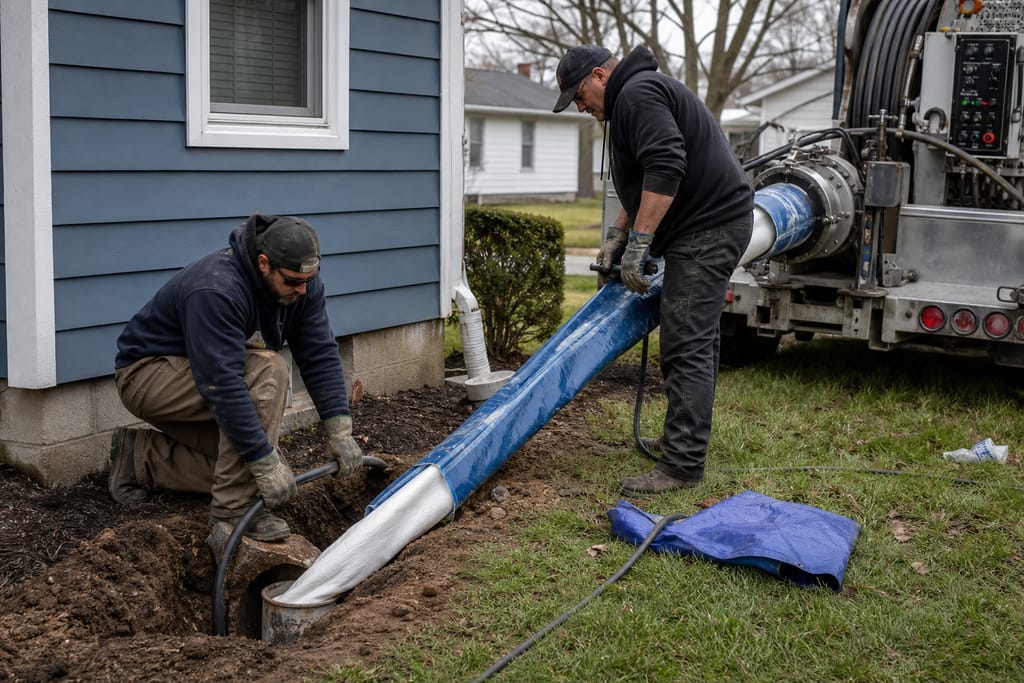
Liner Insertion
The saturated liner is inserted into the host pipe using air or water pressure.
 Step 5
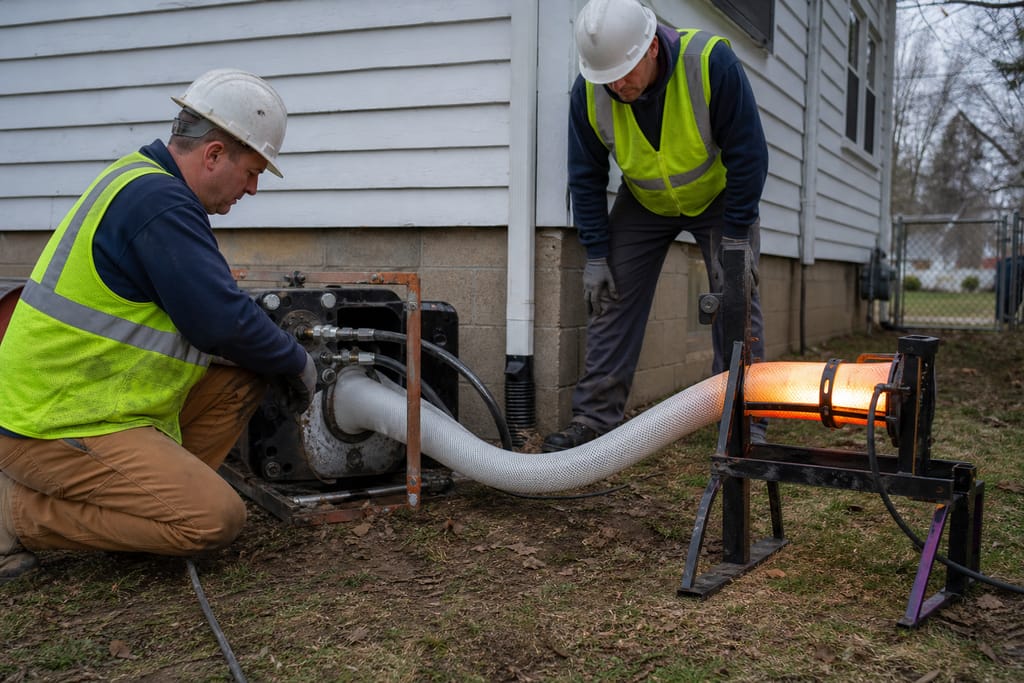
Curing Process
Heat, UV light, or ambient curing hardens the liner into a solid new pipe wall.
 Step 6
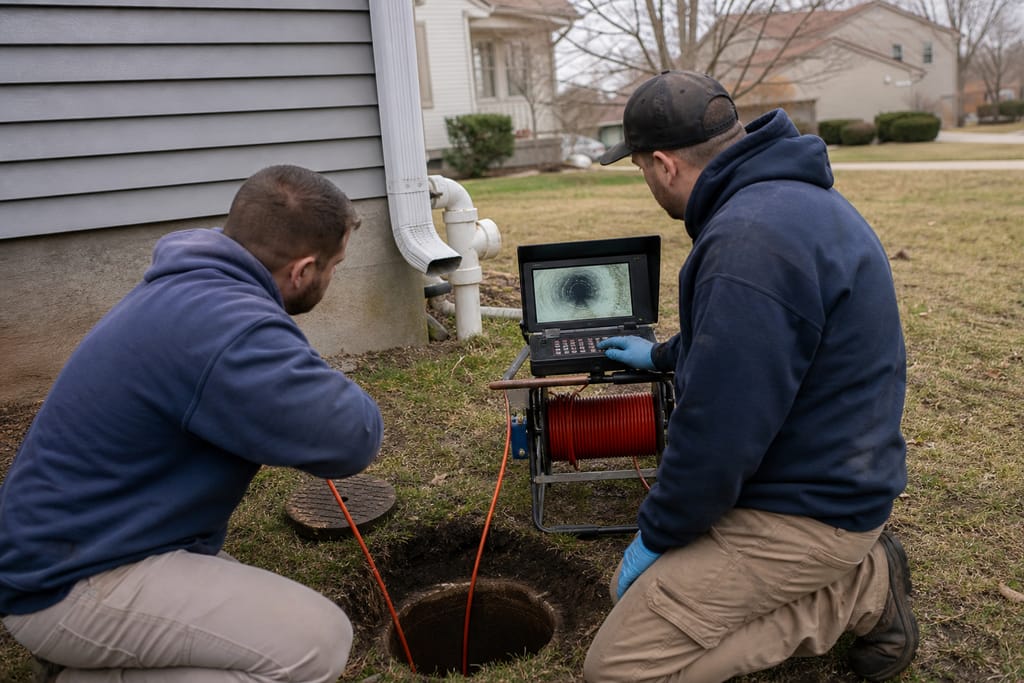
Final Inspection
A camera inspection confirms the cured liner is smooth and properly bonded.
Materials
Materials and methods for CIPP Pipe Lining
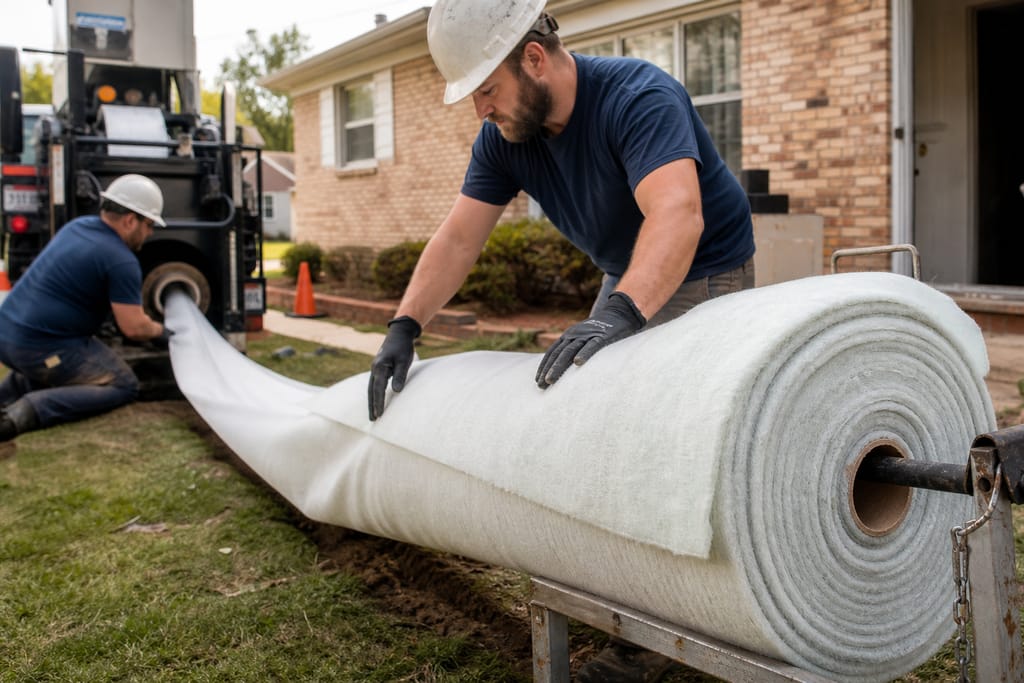
Felt Liner Tubes
Felt-based tubes form the structural base for the resin, a fit for the long, straight clay runs common under older Piqua lots.
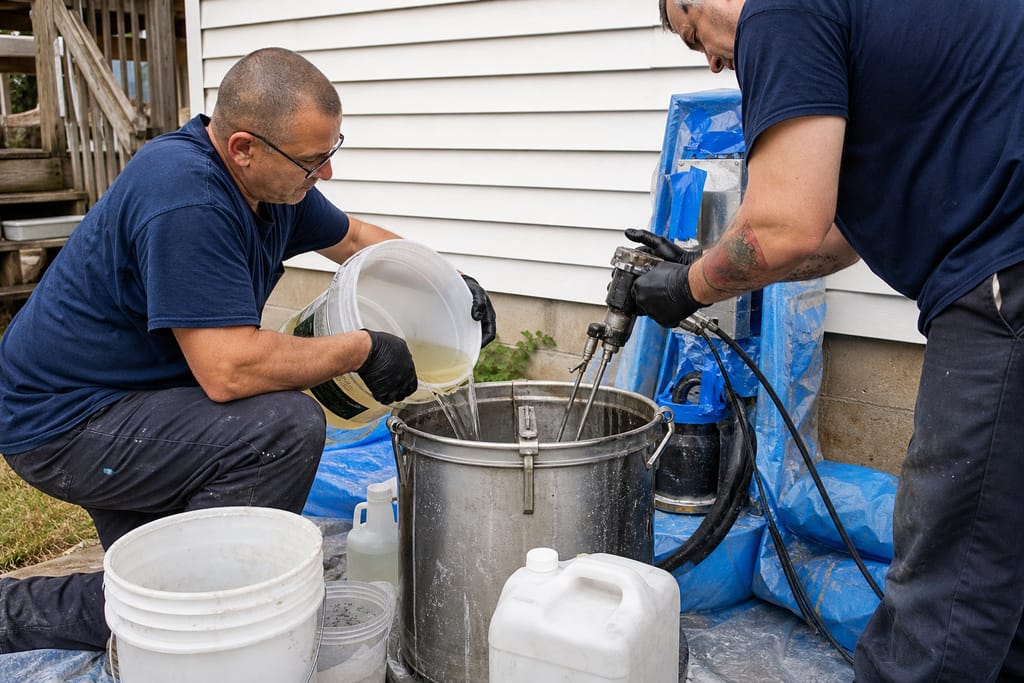
Epoxy Resin Blends
Formulated for strength and chemical resistance, these hold up against the sediment buildup typical in decades-old laterals.
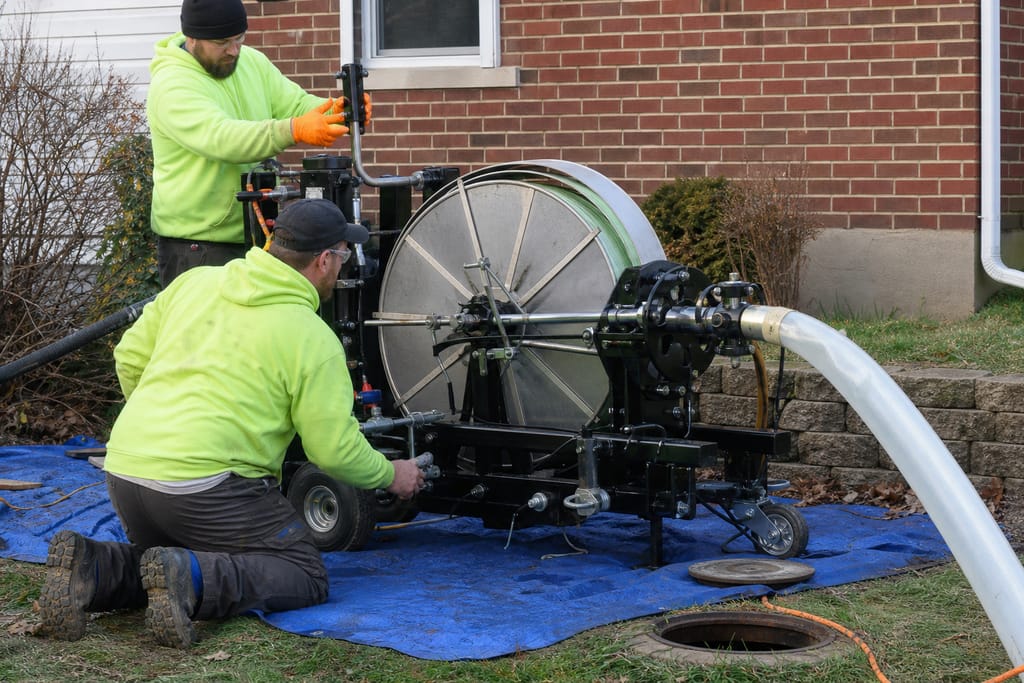
Inversion Equipment
Inversion drums turn the liner inside out as it's installed, useful on pipes with a few bends between the house and the main.
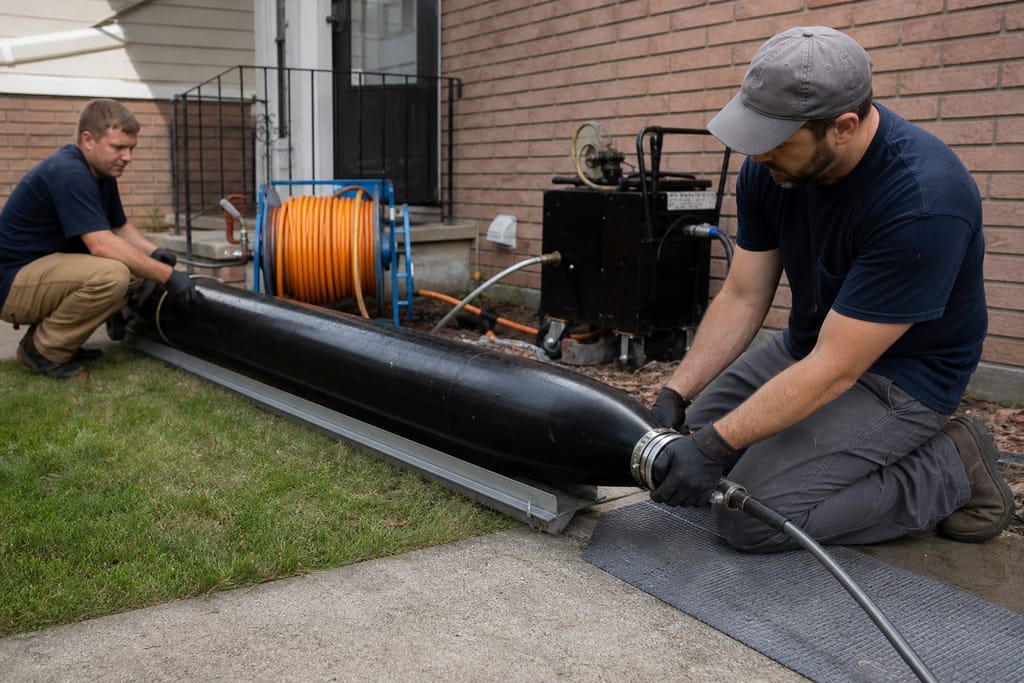
Calibration Tubes
These press the liner firmly against pipe walls during curing so there's no gap for water to seep behind.
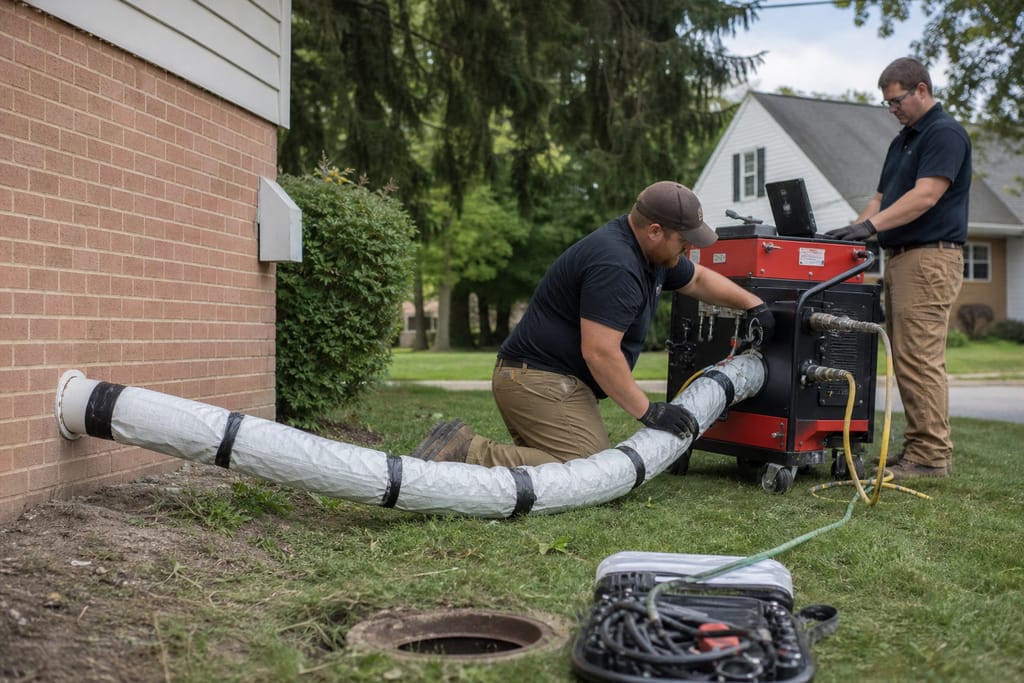
Heat Curing Units
Heat sources speed the cure, cutting down the time a line sits offline.
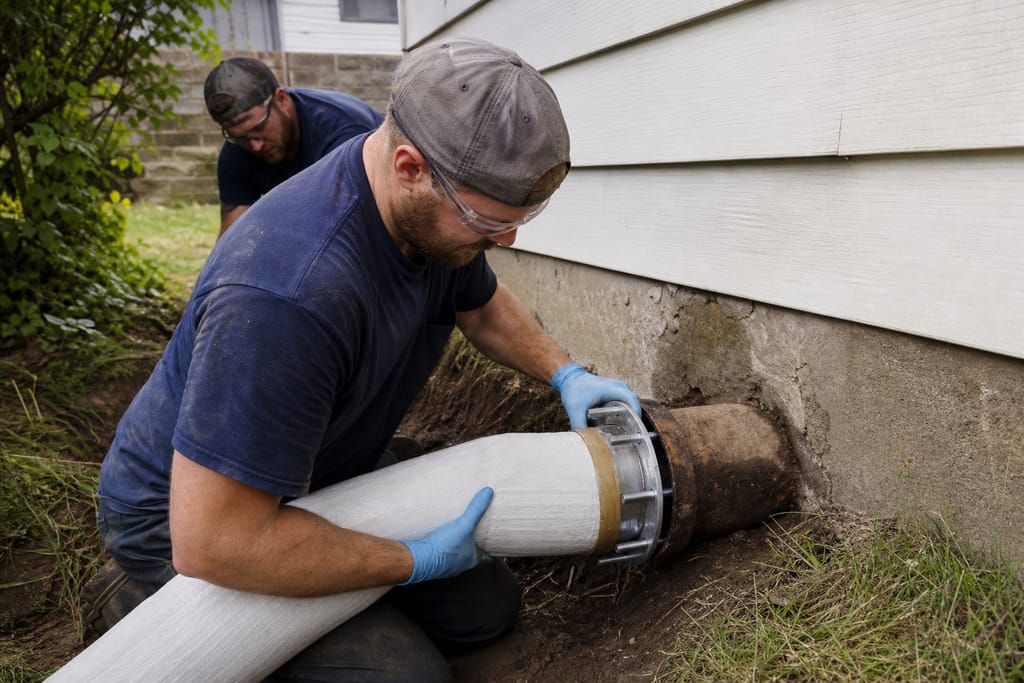
End Seal Fittings
Clean, watertight transitions at each end of the liner, keeping the fix from leaking at the connection points.
Questions on materials?
Get a Free EstimateBefore & after
Before and after CIPP Pipe Lining
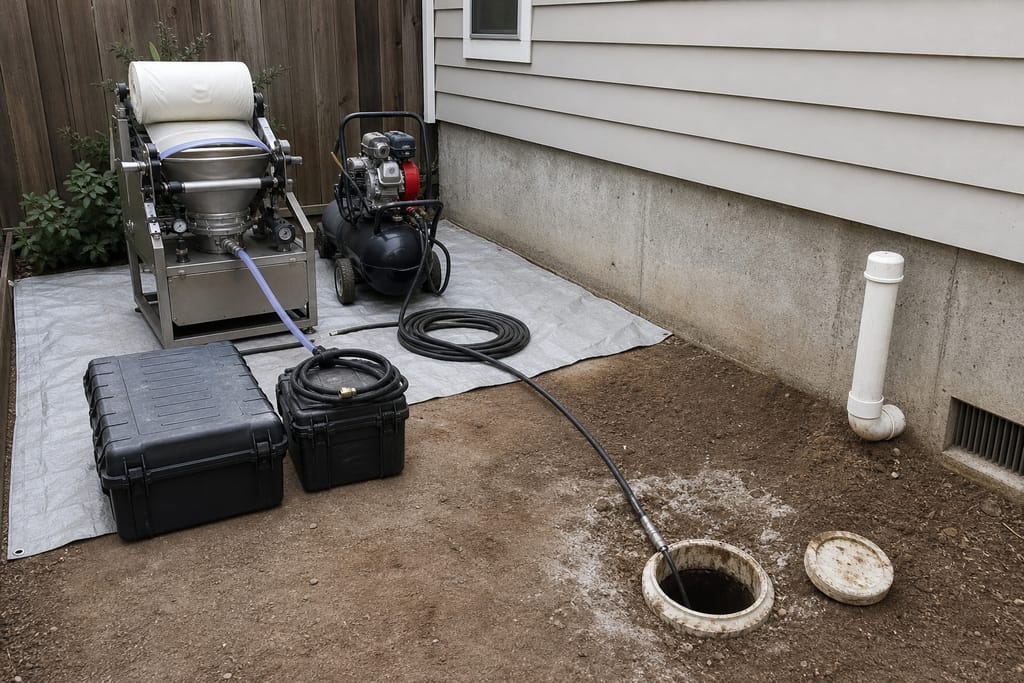
Before 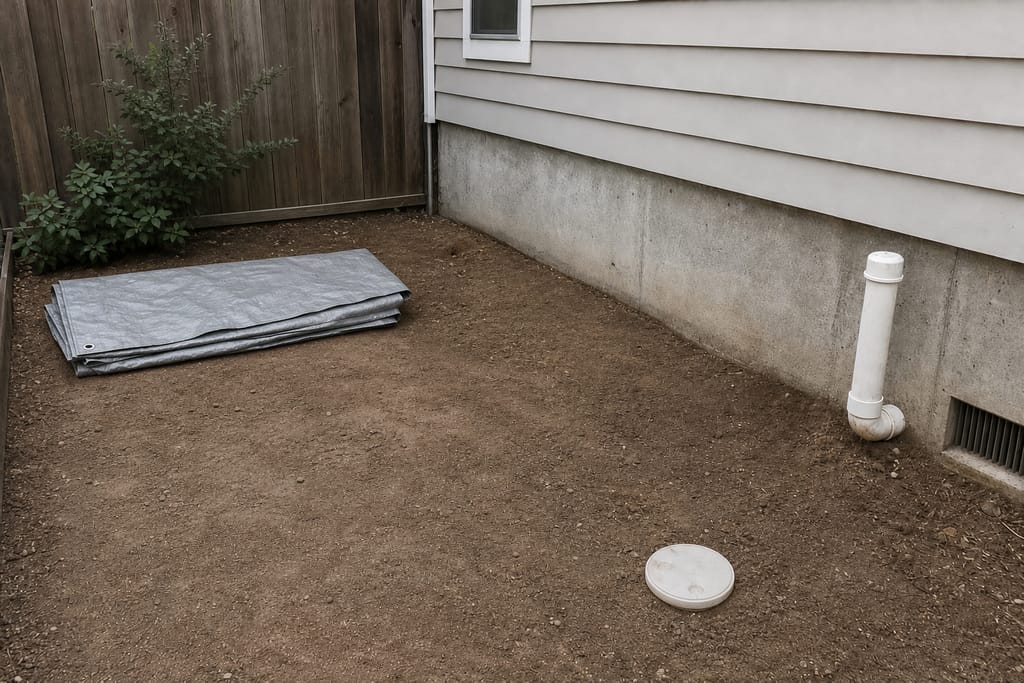
After
When to call
When to call for CIPP Pipe Lining
Call Piqua Sewer Pros at (937) 749-9781 to get a camera look and find out if lining fits your line.
- Root intrusion keeps coming back even after cabling clears it temporarily
- Drains run slow across multiple fixtures with no clear single blockage
- A camera inspection shows joint separation but the pipe itself is still round and intact
- You want to avoid a dig-up repair on a line that's structurally sound otherwise
Seeing warning signs?
Get a Free EstimateFAQs
CIPP Pipe Lining FAQs
Will trenchless lining work with old clay pipe?
Yes. Clay holds its round shape well even after decades underground, which is exactly what a liner needs to cure against. The camera inspection confirms whether your specific section qualifies.
Will CIPP pipe lining work with Piqua's old clay pipe?
Generally, yes. Piqua's clay laterals are old but the pipe material itself often holds up structurally. It's the joints that fail, which is precisely what a cured liner seals against.
Can tree roots grow back into a pipe after lining?
Once a liner is cured and bonded, it seals the joints roots were using to get in. Roots can't push through a solid cured liner the way they worked through a separated clay joint.
How long does a CIPP liner actually last?
A properly cured liner is designed to function as a new pipe wall for decades, well past what the remaining life of an unrepaired clay joint would offer.
More services
Other Trenchless Sewer Repair services
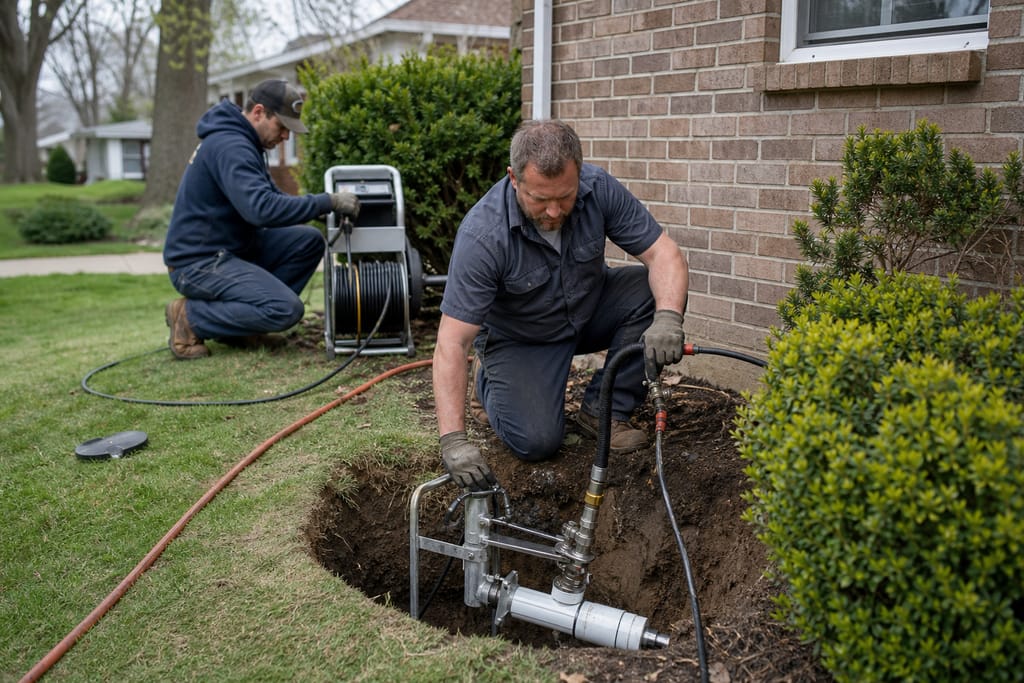
Trenchless Sewer Repair
Trenchless sewer repair in Piqua with camera-first diagnosis, CIPP lining or pipe bursting, and free estimates. No-dig, no torn-up yard.
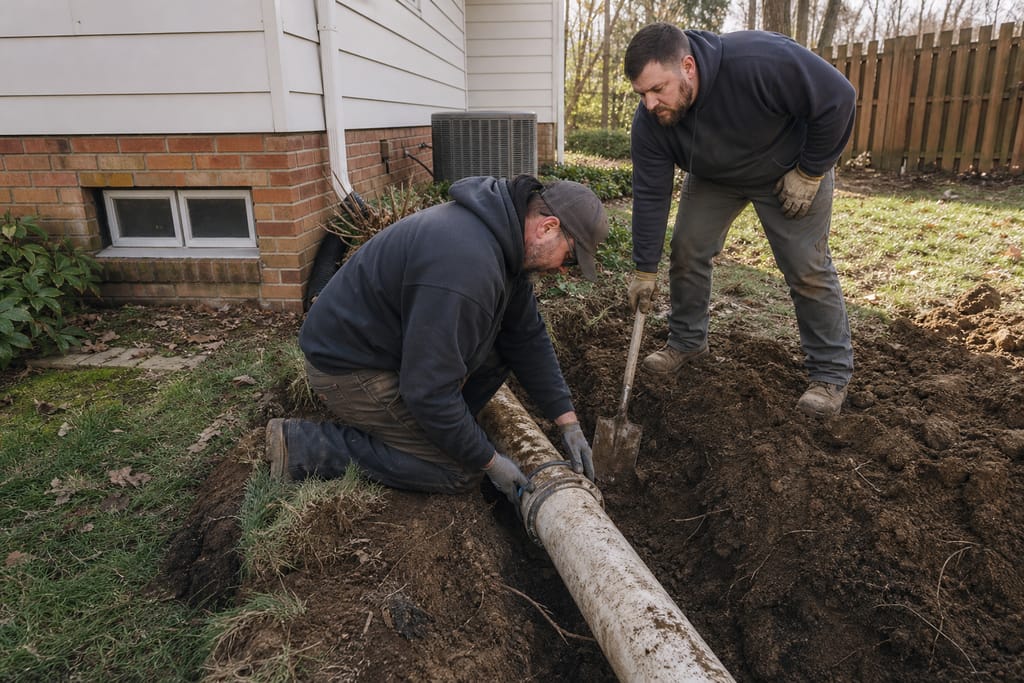
Sewer Line Repair
Sewer line repair in Piqua, OH using trenchless spot repair and camera diagnosis. No full dig-up needed. Free estimates on every job.
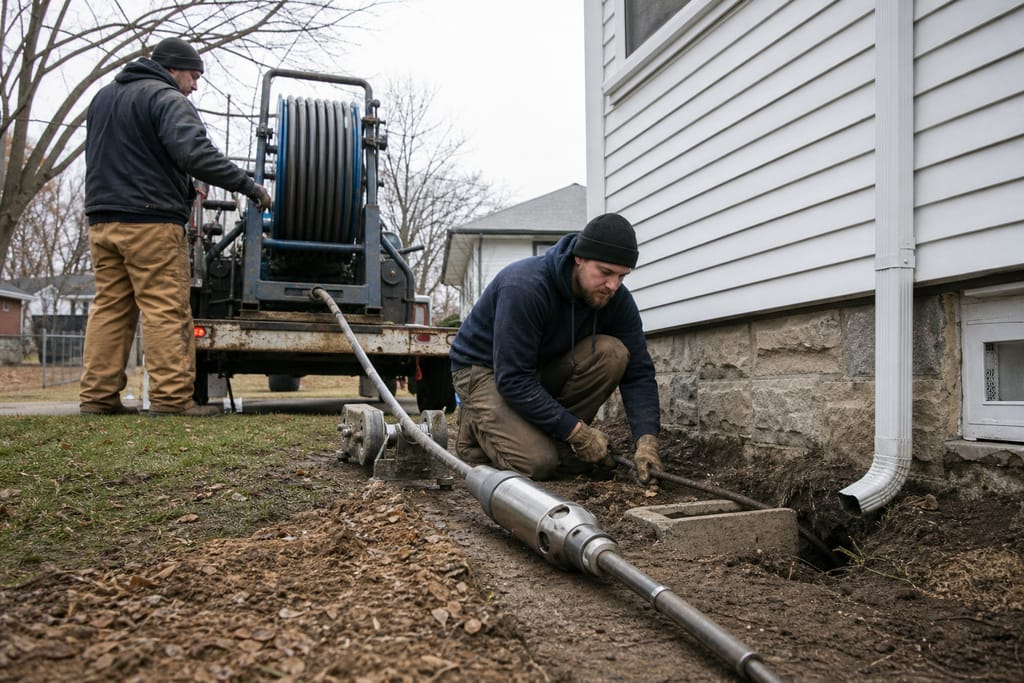
Pipe Bursting
Pipe bursting in Piqua, OH replaces collapsed sewer lines with new HDPE pipe through small access pits. No full trench. Free estimates.
Ask about CIPP Pipe Lining
Tell us about the project and how to reach you.